Market value sounds straightforward until you try to pin it down for a specific warehouse in Puslinch, a main street storefront in Elora, or a quarry-adjacent industrial site in Wellington North. In practice, value sits at the intersection of location, income, risk, and feasibility. Wellington County’s patchwork of towns and rural townships, its ties to Guelph, Kitchener-Waterloo, and the GTA, and its varied servicing conditions create meaningful differences property to property. That is exactly why lenders, investors, and owners lean on disciplined valuation, and why a well supported commercial property assessment in Wellington County can make or save real money.
What market value actually means in this context
Appraisers in Ontario work under the Canadian Uniform Standards of Professional Appraisal Practice. Market value, in plain language, is the most probable price a willing buyer would pay and a willing seller would accept, both informed and not under duress, with proper exposure to the market and typical terms. That definition matters because it sets the boundary of what evidence counts. It nudges us away from one-off prices and toward patterns across comparable transactions, market rent, and yields.
For tax assessment, the Municipal Property Assessment Corporation (MPAC) sets values that municipalities then use to calculate property taxes. For lending, financial reporting, acquisition, or litigation, independent commercial building appraisers in Wellington County prepare purpose-built reports. Those reports weigh current leases, operating statements, capitalization rates, and land use entitlements far more closely than a mass appraisal model ever could.
The lay of the land in Wellington County
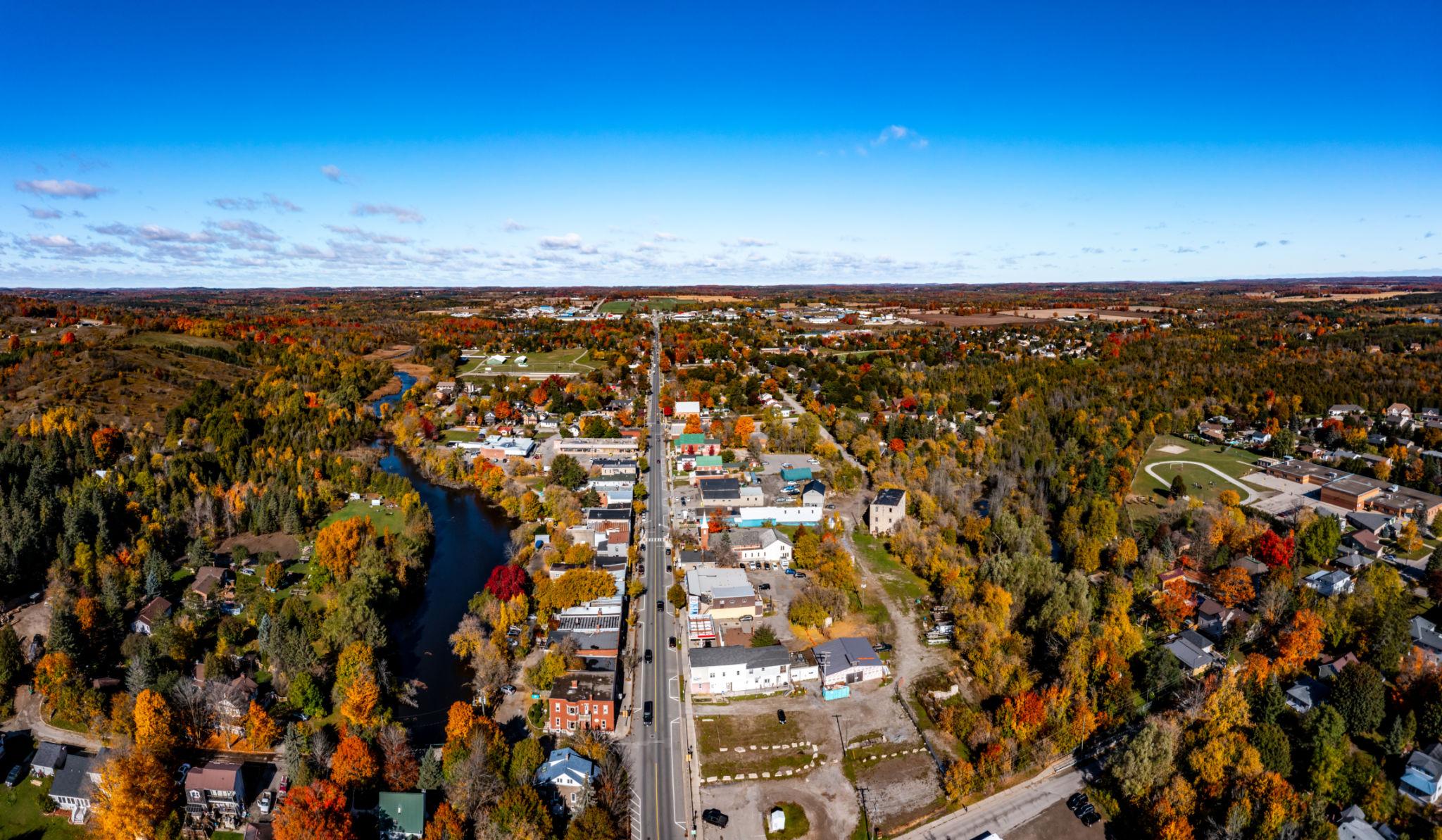
Wellington County includes Centre Wellington, Erin, Guelph/Eramosa, Mapleton, Minto, Puslinch, and Wellington North. Each has its own https://realexmedia82.gumroad.com/ zoning by-law and permitting routines under the County’s Official Plan. The Grand River runs through Fergus and Elora, bringing both amenity and floodplain constraints. Puslinch sits on the doorstep of Highway 401, a powerful driver for logistics and service industrial. Erin and Mapleton tilt more rural, with pockets that rely on private wells and septic. Minto and Wellington North have more budget-friendly industrial land but with longer drive times to the 401 and the GTA.
That geographic mix sets the stage for why two seemingly similar buildings can trade very differently. A 20,000 square foot pre-engineered steel building with 26 foot clear in Puslinch, close to the 401, will command a lower capitalization rate than the same box on the edge of Palmerston if tenant quality and lease terms are equal. Access, labour pool, and servicing quickly bend value.
The three approaches, and when they actually matter
Every solid commercial building appraisal in Wellington County will consider the income, direct comparison, and cost approaches, then give weight where it is due.
- Income approach. For properties bought for cash flow - industrial, multi-tenant retail, suburban office - the income approach carries the day. Appraisers analyze existing leases, adjust to market rent where appropriate, stabilize vacancy, model recoveries, and capitalize the resulting net operating income at a market-derived rate. When financing terms materially influence investor returns, a band-of-investment cross-check helps test the chosen cap rate. In a market like Centre Wellington, where investor pools range from owner-users to GTA syndicates, cross-checks stop you from chasing outliers. Direct comparison approach. Land, owner-occupied buildings, or assets with short or atypical leases lean on comparison. Finding true comparables can be the challenge. Sales in Guelph or Waterloo might be informative but not directly transferable. Adjustments for location, building quality, clear height, loading, and site coverage become the fulcrum of the analysis. I keep notes on whether a sale had municipal services, highway frontage, or conservation setbacks. Those details routinely move the needle by double-digit dollars per square foot. Cost approach. This shines for special-use, newer builds, or lightly traded assets like public facilities or places of worship converted to office. For commercial, it often acts as a reasonableness test. Replacement costs must reflect current materials, labour, and supply chain reality, and external obsolescence must be recognized if market rents cannot support the reproduction cost new.
Local price signals and sensible ranges
No single number fits all, and published averages can mislead. Still, consistent themes show up in the field.
Cap rates. Stabilized, well-leased small-bay industrial near the 401 in Puslinch often trades tighter than similar product in Arthur or Harriston. Over the past couple of years, I have commonly seen cap rates in the high five to low seven percent range for smaller industrial with clean covenants and decent term in the southern county, and mid six to high seven percent for community retail strips with stable local tenants. Suburban office, particularly older stock with limited parking or deferred capital items, tends to sit higher, often seven to nine percent. Markets move quarter by quarter with rates and credit spreads, so treat these as directional, not promises.
Sale prices per square foot. Functional small-bay industrial with 18 to 24 foot clear and drive-in doors in Centre Wellington or Guelph/Eramosa can reach the low to mid 200s per square foot, sometimes higher for turnkey owner-user buildings with fresh roofs and LED retrofits. Older cinderblock industrial with low clear and patchwork mezzanines might sit closer to the low to mid 100s, depending on condition and lot utility. Mixed retail-commercial on Fergus’s main streets appeals to local investors, with values driven heavily by upper-floor vacancy potential, facade quality, and parking access behind the building.
Land. Serviced industrial land near the 401 interchange in Puslinch carries a noticeable premium, often multiples of rural industrial land without services. In the northern townships, industrial land values can look attractive on a per-acre basis, but servicing, hydro capacity, and access time to major markets temper feasibility. For commercial land along Highway 6 or 24, traffic counts and turning movements matter as much as lot size. Where sites fall under Grand River Conservation Authority limits or sit within wellhead protection areas, expect entitlements to run longer or require design compromises that reflect in value.
Zoning, servicing, and the rules that quietly set value
Zoning and servicing are the quiet arbiters of what is financially possible. A parcel zoned prestige industrial that prohibits outdoor storage is a different proposition than a general industrial site that allows outdoor display and transport yards. A commercial corner with right-in/right-out only will not trade like a full-movement intersection. Private wells and septic systems on rural commercial sites cap buildable area and user type. In Erin or Mapleton, a restaurant tenant may not be viable without costly upgrades or creative engineering, and a lender will price that risk.
The County’s Official Plan and local by-laws lay out permitted uses, parking ratios, and height limits. The Grand River Conservation Authority maps floodplains and regulated areas, particularly near the Grand River in Fergus and Elora. Heritage overlays in Elora introduce design review for certain facades, which can be a positive for character retail but a timing risk for developers on tight schedules.
These constraints can be priced, but only when they are understood early. That is one place commercial appraisal companies in Wellington County add outsized value, by documenting entitlement status and the realistic path to permits.
What rent and expenses really look like
Market rent is the heartbeat of income valuation. In the field, appraisers break it down by use, size, and quality, then test against actual signed deals.
Industrial. Small-bay industrial with decent loading and 18 to 24 foot clear has commanded net rents that vary with location, amenities, and unit size. Units under 5,000 square feet usually achieve a higher rate per square foot than 20,000 square foot boxes because of tenant mix and scarcity. Mezzanine that is properly permitted and functional adds value, but unpermitted mezzanine can become a deduction risk if a lender flags it.
Retail. Community strip retail in Centre Wellington sees a split between service tenants with modest fit-outs and food-based tenants that require higher landlord contributions. Tenants’ credit profiles and the stability of uses drive investor appetite. If a strip relies on a small number of local covenants without national anchors, a buyer will often increase the cap rate a notch to reflect concentration risk.
Office. Older suburban office or medical space can perform well when parking is ample and access is easy. The challenge lies in re-tenanting periods and capital costs for modernizing suites. Where leases are gross or semi-gross, careful reconciliation of recoveries and true landlord costs is essential. Too many rent rolls overstate recoveries or understate common area capital.
Expenses. In triple net leases, tenants typically reimburse realty taxes, building insurance, and common area maintenance. The devil lives in what is included. Snow removal in a rural parking lot with long drive aisles can swing costs meaningfully in heavy winters. For older industrial, roof maintenance and HVAC replacements are often the line items that upset pro formas when ownership expects to pass everything through.
Income capitalization that survives lender scrutiny
When a commercial building appraisal in Wellington County is destined for a lender’s credit committee, the narrative has to carry more than a final cap rate. It should show how market rent was derived, why stabilized vacancy was set where it was, and how non-recoverable expenses were measured. For a multi-tenant asset with staggered expiries, a simple stabilized model might mask a near-term rollover cliff. A sensitivity table, even informally described in prose, adds credibility. I like to test a 25 to 50 basis point move in the cap rate and a modest rent softening to see if the implied value still supports projected loan-to-value targets.
Band-of-investment analysis stays useful when interest rates move quickly. If typical financing in the region sits at, say, 55 to 65 percent loan-to-value with debt costs that translate to a mortgage constant in the high single digits and equity demanding a mid to high single digit yield for stabilized assets, the blended rate should rhyme with the direct market data. When it does not, I go back to the sales and recheck my adjustments.
Owner-user buildings and the comparison trap
Owner-users complicate direct comparison because they will often pay a fair premium for the right building. A machine shop that has outgrown its space and cannot tolerate downtime will pay more for a move-in-ready facility with the correct power, cranes, and truck maneuvering than a pure investor would. That premium is market value for that buyer-seller pairing, but not necessarily transferable to another sale down the street without the same alignment. Competent commercial building appraisers in Wellington County account for this by adjusting sales for buyer motivation and by confirming if the sale included unusual chattels or vendor take-back financing.
Land appraisal, rural realities, and the per-acre mirage
Raw land invites optimism. The spreadsheet can make almost anything work if you hold servicing costs flat and assume steady absorption. Reality intervenes with site-specific constraints.
In Puslinch, traffic engineering and turn lanes can consume land and budget. In Erin, private services limit the intensity for some commercial uses. In Mapleton or Wellington North, three-phase hydro capacity and road load limits shape user type. Conservation setbacks along watercourses shrink net developable area more than a casual glance suggests. Experienced commercial land appraisers in Wellington County will walk the site, sketch out a yield plan with likely setbacks and stormwater ponds, and then price value on net usable acreage, not gross. That process often narrows buyer and seller expectations quickly and fairly.
Data, confidentiality, and what really constitutes evidence
Smaller markets do not publish as many transactions as Toronto or Mississauga. That pushes appraisers to build relationships with brokers, lawyers, and owners who will confirm terms confidentially. Asking rents and listing prices help, but closed deals, amendment clauses, and true net effective rents tell the story. When sales data is sparse, rent and yield triangulation becomes more important. For example, if a 15,000 square foot industrial unit in Guelph/Eramosa leased recently at a confirmed net rate of X, with tenants covering TMI at Y per square foot, and comparable cap rates are in a documented range, you can bound value with more confidence than a single, unconfirmed sale would allow.
Environmental, building condition, and the costs you cannot ignore
Phase I environmental site assessments are routine for financing and should be ordered early. Rural commercial and industrial sites, especially those with historic fuel storage or agricultural uses, can hide surprises. A clean Phase I report avoids unnecessary stigma, while a flagged issue gives time to budget for a Phase II or focused remediation.
Roofs, parking, and HVAC are the big three for capital planning. For light industrial, older BUR roofs in cold winters demand realistic remaining life estimates. For retail strips, asphalt and drainage around catch basins set the tone of a site visit long before you read the leases. Many owners underestimate the cost to refresh a 1980s-era office interior to meet current tenant expectations. Appraisers who have replaced these systems in their own portfolios tend to write tighter, more believable capital allowances that lenders respect.
Working with appraisers, and how to avoid value surprises
You can make an appraisal more accurate and faster by preparing clean, complete information. Here is a concise checklist I share with clients before a site visit.
- Current rent roll with lease start and expiry, options, and rent step-ups Last two years of operating statements, with breakdowns for taxes, insurance, maintenance, and utilities Copies of all material leases and amendments, plus any side letters Recent capital projects and invoices, including roof, HVAC, and parking Survey, site plan, and any recent environmental or building condition reports
Expect questions. A good appraiser is not testing you for sport, but for clarity. If a tenant pays below market rent, but just invested substantial tenant improvements at its own cost, that matters. If a municipality has signaled support for a zoning change, provide written evidence, not just a conversation. The more transparent the file, the stronger the reconciled value.
Distinguishing MPAC assessment from independent valuation
Clients sometimes conflate their MPAC assessed value with market value. They are cousins, not twins. MPAC’s models aim for uniformity across classes and update on a province-wide cycle. Independent appraisal responds to today’s interest rates, today’s rents, and a property’s specific risk profile. When a deal hinges on financing, rely on a narrative appraisal tailored to the asset, not the tax assessment letter.
Timing, transaction context, and the market’s attention span
Markets are living things. A cap rate that felt solid in March can look stale by September if bond yields jump or leasing momentum changes. In Wellington County, where a handful of transactions can shift sentiment, timing matters doubly. If your valuation date is mid-construction or during a major tenant rollover, a prospective analysis may be more relevant than a simple as-is snapshot. Lenders in this region generally respond well to as-is, as-if-complete, and stabilized value presented together, each with stated assumptions and identified risks. That format avoids surprises when conditions or timelines change mid-approval.
Common pitfalls I see in commercial property assessment in Wellington County
Two missteps repeat often. First, underestimating the impact of servicing and access. A five minute extra drive to the 401 is not just an inconvenience; it is a cost that employers and truckers price in. Second, glossing over the recoverability of expenses. When a lease labels itself triple net but caps controllable expenses below actual inflation, the landlord carries more risk than a spreadsheet with simple pass-through assumptions would suggest. Appraisers who read leases line by line and test them against market norms keep deals anchored.
Another subtle trap appears with mixed-use heritage assets in Elora. Buyers sometimes pay for romance, then discover how heritage approvals extend timelines for window replacements or main street signage. These assets can perform beautifully with the right strategy, but their pro formas need realistic lead times and carry costs.
Choosing the right expertise
Not every firm has deep coverage in this market. When you seek out commercial appraisal companies in Wellington County, ask for recent files in your asset class and municipality. A team that has worked through Centre Wellington’s site plan routines or Puslinch’s traffic requirements will close gaps quickly. Commercial land appraisers in Wellington County who can read a grading plan and spot a low, wet corner on a sunny day save months of frustration. Look for appraisers who reference both local comparables and regional data from Guelph, Kitchener-Waterloo, and the western GTA, with credible adjustments.
Search terms like commercial building appraisal Wellington County, commercial property assessment Wellington County, or commercial building appraisers Wellington County will bring up options, but the interviews matter more than the website. Ask about their experience with your lender, their comfort with lease-by-lease cash flow models, and how they handle sparse data. A good answer does not oversell precision; it explains process and judgment.
When value is a range, not a point
Investors often want a single, definitive number. Markets often provide a range. A well argued range is not a weakness. It reflects the reality that cap rates compress or widen with debt markets, that a pending lease renewal could swing rents, or that a site plan outcome could add or remove buildable area. The final reconciled value should still land on a number, but the narrative can and should outline the most plausible upper and lower bounds, and what would need to occur to push the asset to either end.
Practical steps before you order your next appraisal
If you are planning to finance, sell, or buy, a little preparation goes a long way.
- Clarify the purpose and the reporting format with your lender or advisor, including whether you need as-is, as-if-complete, or stabilized values Gather the documents listed earlier and confirm any verbal understandings with tenants are documented Identify any zoning, conservation, or servicing questions and pull the latest correspondence from the municipality Schedule the inspection with someone on-site who knows the building systems and can access roofs, mechanical rooms, and all units Share any pending offers, term sheets, or letters of intent, even if non-binding, as context can sharpen the analysis
These steps do not bias the outcome. They prevent blind spots and reduce the back-and-forth that drags timelines.
A final word on judgment
Models and spreadsheets are tools. In smaller markets like Wellington County, judgment informed by lived experience does most of the heavy lifting. I have seen an owner lose six months trying to sell a rural commercial parcel on a gross-acre price, then close quickly once value was reframed on net developable acreage after accounting for stormwater. I have watched an investor push a cap rate too low based on a single splashy sale, then recalibrate after seeing how rollover risk and deferred maintenance looked in the lender’s cash flow. The lesson is consistent. Value is a story supported by evidence. Tell the right story, with the right data and the right caveats, and the number will hold.
Commercial appraisal is not an obstacle. Done well, it is a decision tool. In Wellington County’s nuanced market, that tool needs to reflect local patterns, realistic costs, and the actual constraints on the ground. Whether you work with boutique commercial appraisal companies in Wellington County or a broader regional firm, insist on a report that reads like it was written by someone who has walked your site, read your leases, and can explain your value in a room full of bankers. That is how market value becomes more than a line on a page, and how it starts to work for you.